







As the popularity of solar energy investments grows, the most fundamental question on investors’ minds is: Is a battery necessary? The answer to this question depends on your energy independence goals, your budget, and the conditions in your region. Solar Battery Storage Systems allow you to store the excess energy you produce and use it when the sun isn’t shining or during power outages. This guide will provide a detailed look at why battery storage systems are a strategic investment for homes and businesses as of 2026, how to choose the right system, and the financial return on this investment.
What is Solar Battery Storage?
A solar battery storage system is a technology that stores the excess electrical energy produced by your solar panels but not consumed instantly as chemical energy, and converts it back into electrical energy when needed. This system balances energy supply and demand, giving you the ability to use uninterrupted, clean energy 24/7.
Can Solar Panels Work Without a Battery?
Yes, solar panel systems can work without a battery. Such systems are called On-Grid (Grid-Tied) systems. In this case, however, the excess energy you produce is sold directly to the electricity grid, and you buy the energy you need at night or on cloudy days from the grid. When there is a power outage, on-grid systems automatically shut down for safety reasons and cannot provide energy.
On-Grid, Off-Grid, and Hybrid System Differences
Choosing the right system starts with understanding your energy needs and expectations. There are basically three main system types:
| System Type | Battery Required? | Works During Power Outage? | Key Advantage |
| On-Grid | No | No | Low initial investment cost, earning income from excess energy. |
| Off-Grid | Yes (Mandatory) | Yes | Complete energy independence, ideal for locations without a grid. |
| Hybrid | Yes (Optional) | Yes | Both grid security and energy independence, the most flexible solution. |
How Many kWh of Battery is Needed for a Home? (Capacity Calculation)
Determining the right battery capacity is critical for the efficiency of your investment. The capacity you need basically depends on the total consumption of the devices you want to run at night or during an outage.
Sample Capacity Calculation:
•Total Monthly Consumption: 600 kWh
•Average Daily Consumption: 600 / 30 = 20 kWh
•Night Consumption Rate (Estimated): 40%
•Daily Night Consumption: 20 kWh * 0.40 = 8 kWh
In this scenario, you would need a battery capacity of about 10 kWh to 15 kWh to avoid drawing any electricity from the grid overnight and to leave a small safety margin. This calculation provides a starting point for determining the most suitable battery capacity for you.
Lithium Battery or Gel Battery? (Comparison of Battery Types)
There are different battery technologies on the market. The most common are Lithium-Iron-Phosphate (LiFePO4), Gel, and AGM (Absorbed Glass Mat) batteries. Especially thanks to the advantages of LiFePO4 batteries, they have become the most preferred technology in modern systems.
| Feature | Lithium (LiFePO4) | Gel | AGM |
| Lifespan | 10–15 years | 4–6 years | 3–5 years |
| Cycle Life | 6000+ | ~1500 | ~800 |
| Efficiency | 95%+ | ~80% | ~75% |
| Price | High | Medium | Low |
Solar Energy Storage System Prices 2026
Solar energy storage system prices in 2026 vary greatly depending on the battery technology and capacity. The cost per kWh of Lithium (LiFePO4) batteries ranges from approximately $250 – $400, while the cost of gel batteries is lower. The cost of a 10 kWh lithium battery pack is on average around $2,500 – $4,000.
Payback Period of a Battery-Powered Solar System
The payback period of a battery-powered system is longer than that of a system without a battery. However, the logic of this investment is not just financial return. The uninterrupted energy it provides during power outages, the flexibility to use your own energy during peak hours when the grid is expensive, and the feeling of complete energy independence are the real value of this investment.
What is a Hybrid Inverter?
A hybrid inverter is a smart device that combines the features of both grid-tied (on-grid) and battery storage (off-grid) systems. It can manage the energy from the solar panels, the grid, and the battery. This allows you to use energy in the most efficient and economical way.
Commercial and Industrial Storage Systems
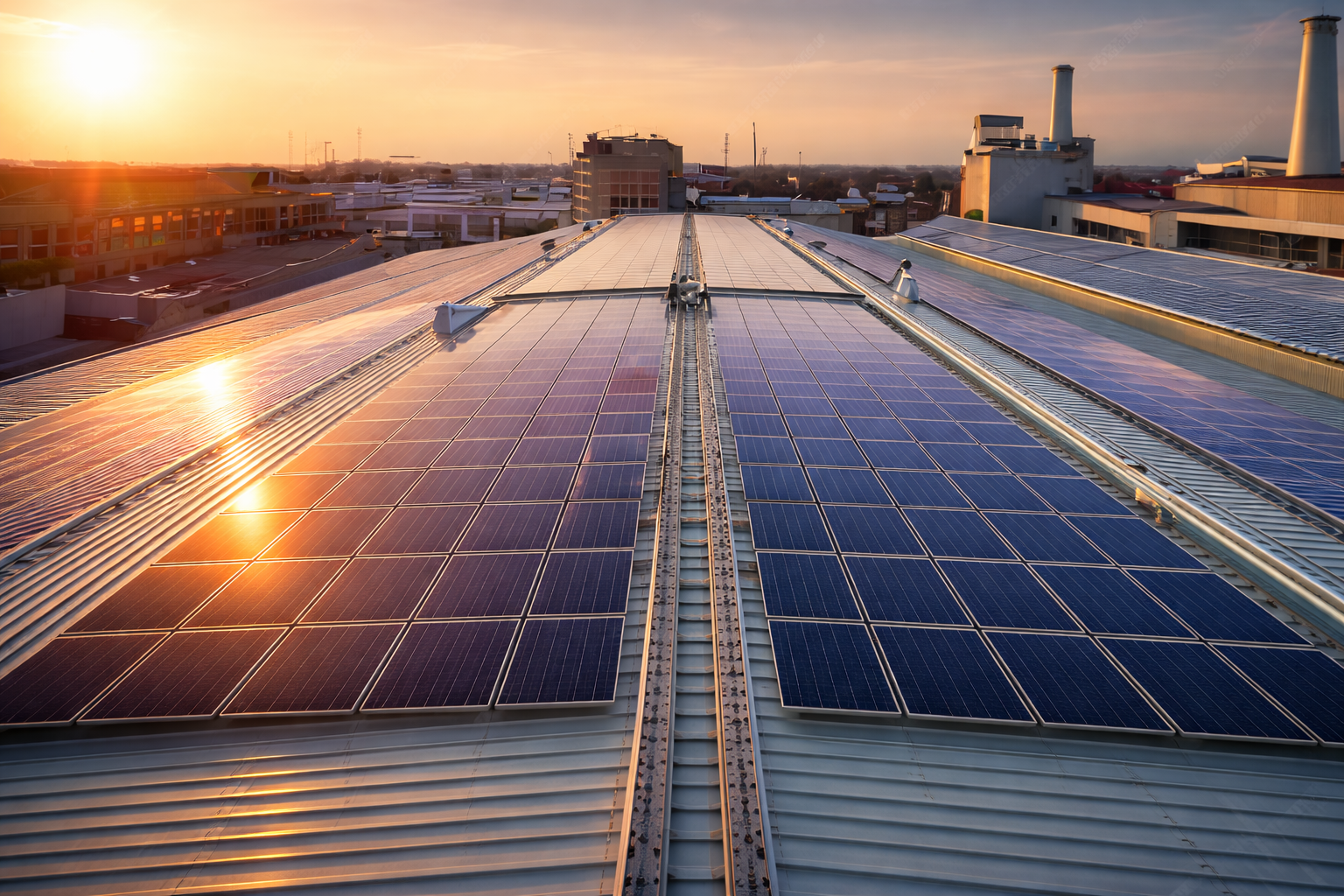
For industrial facilities, energy storage is not just a precaution against outages, but also a serious cost management tool. Especially businesses where the electricity tariff changes at different times of the day (peak hours) can achieve significant energy savings by storing the cheap solar energy they produce during the day and using it in the evening when grid electricity is most expensive.
Are There Government Incentives and Storage Subsidies?
Yes, as of 2026, government incentives for renewable energy storage investments are increasing in the US, UK, and EU. In the US, the ITC also applies to battery storage when charged by solar. Some states offer additional rebates. In the UK and EU, various grant schemes and subsidies are available, often tied to green recovery or industrial strategy programs. It is highly recommended to research the current incentive programs before investing.
Common Battery Selection Mistakes
•Choosing low-lifespan technologies by focusing only on price.
•Installing an undersized system by miscalculating capacity.
•Not checking the compatibility of the battery with the inverter.
•Choosing brands with inadequate warranty periods and service networks.
🎯 Solutions for Your Needs
•Homeowners: Hybrid systems with a capacity of 5-15 kWh for uninterrupted energy and low bills.
•Industrial Facilities: High-capacity industrial storage solutions to reduce peak hour costs.
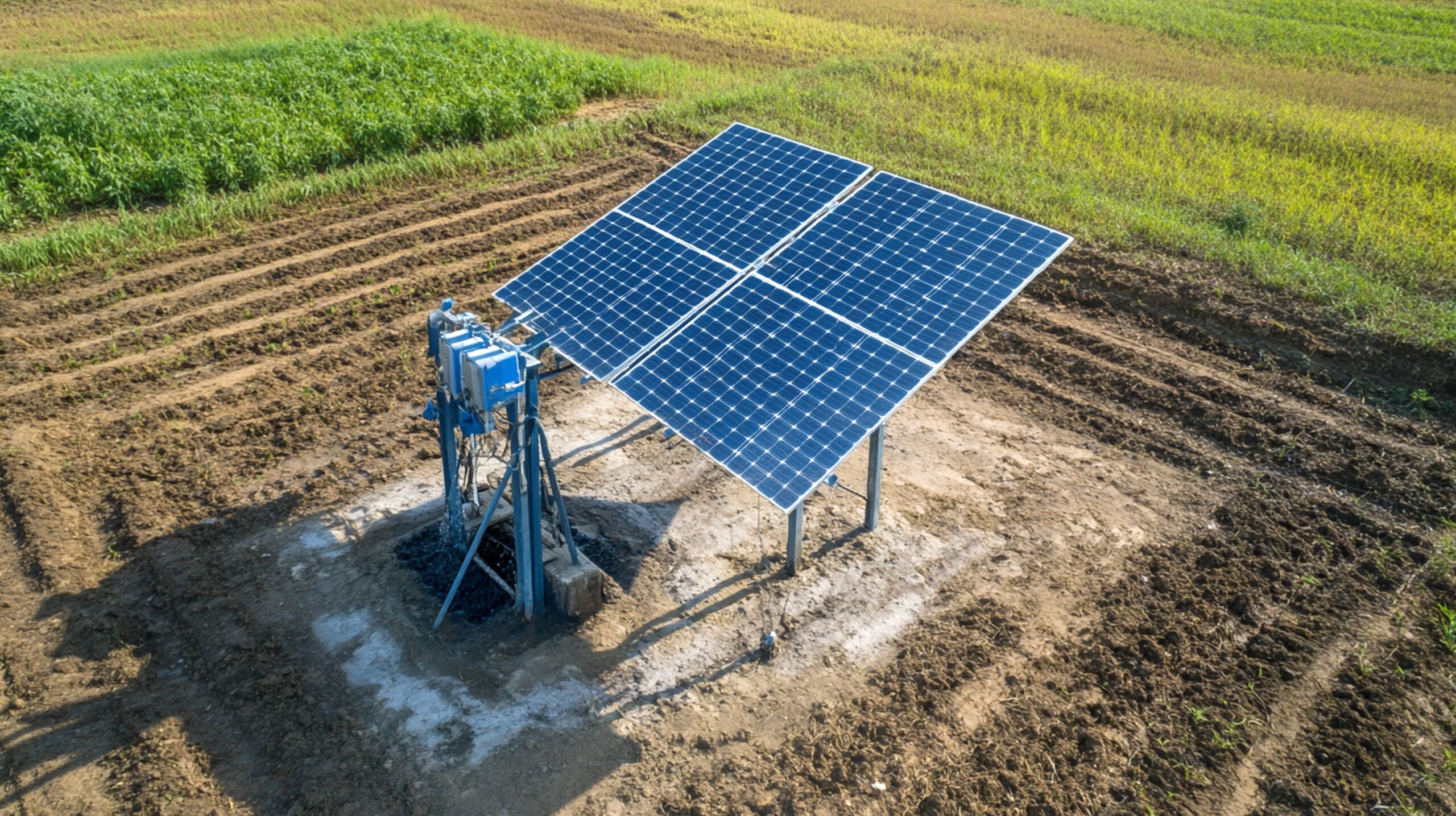
•Agricultural Irrigation: Off-grid battery-powered systems for reliable irrigation, independent of the grid.
•Tiny Houses / Cabins: Off-grid systems for a completely independent life in places without a grid.
📞 Get a Free Analysis and Quote!
Let us project the most suitable battery storage solution for you by analyzing the energy needs of your home or business. Contact our expert team to request a free survey and capacity analysis, and get your custom quote today! Take the first step on the road to energy independence.

Comments are closed