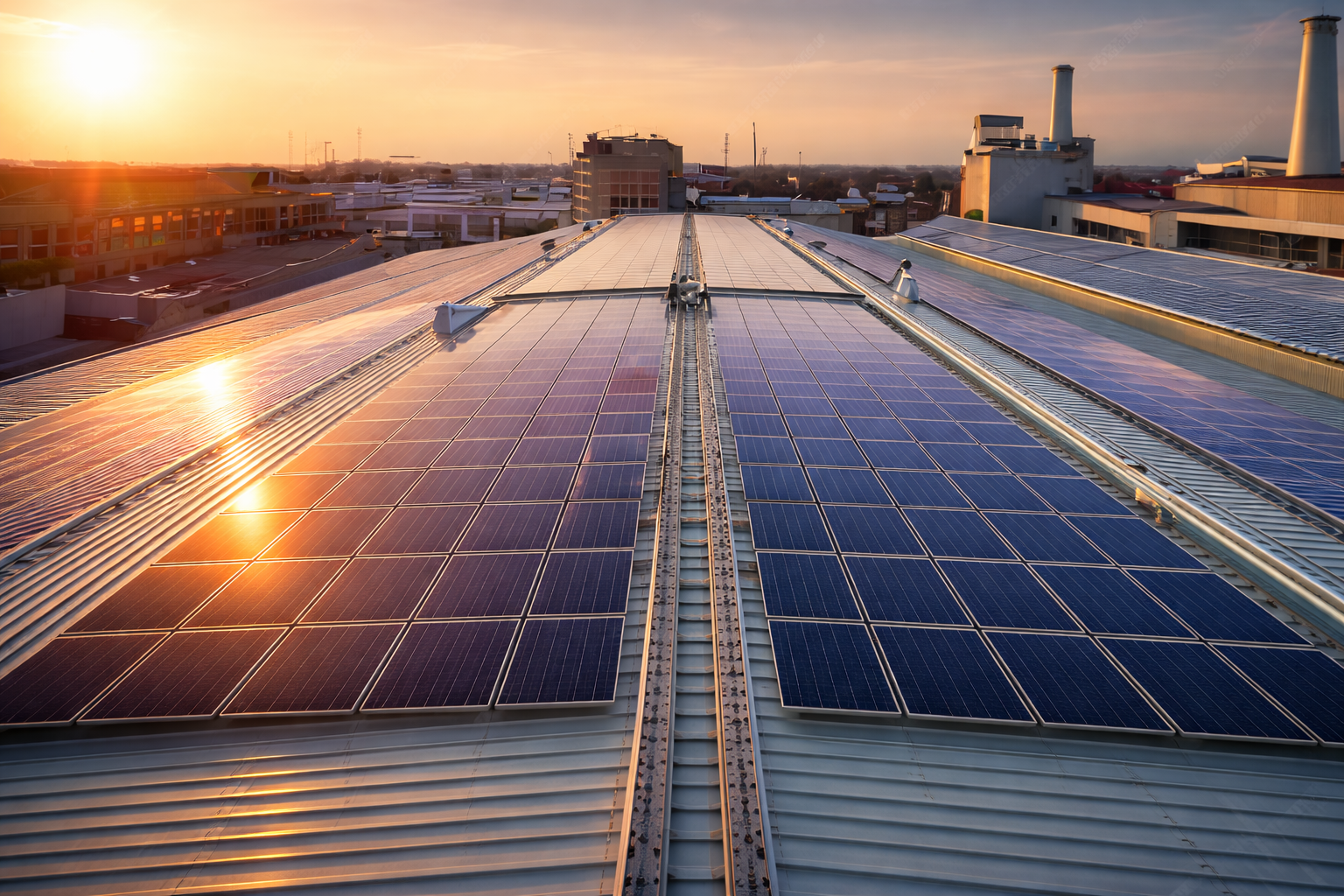
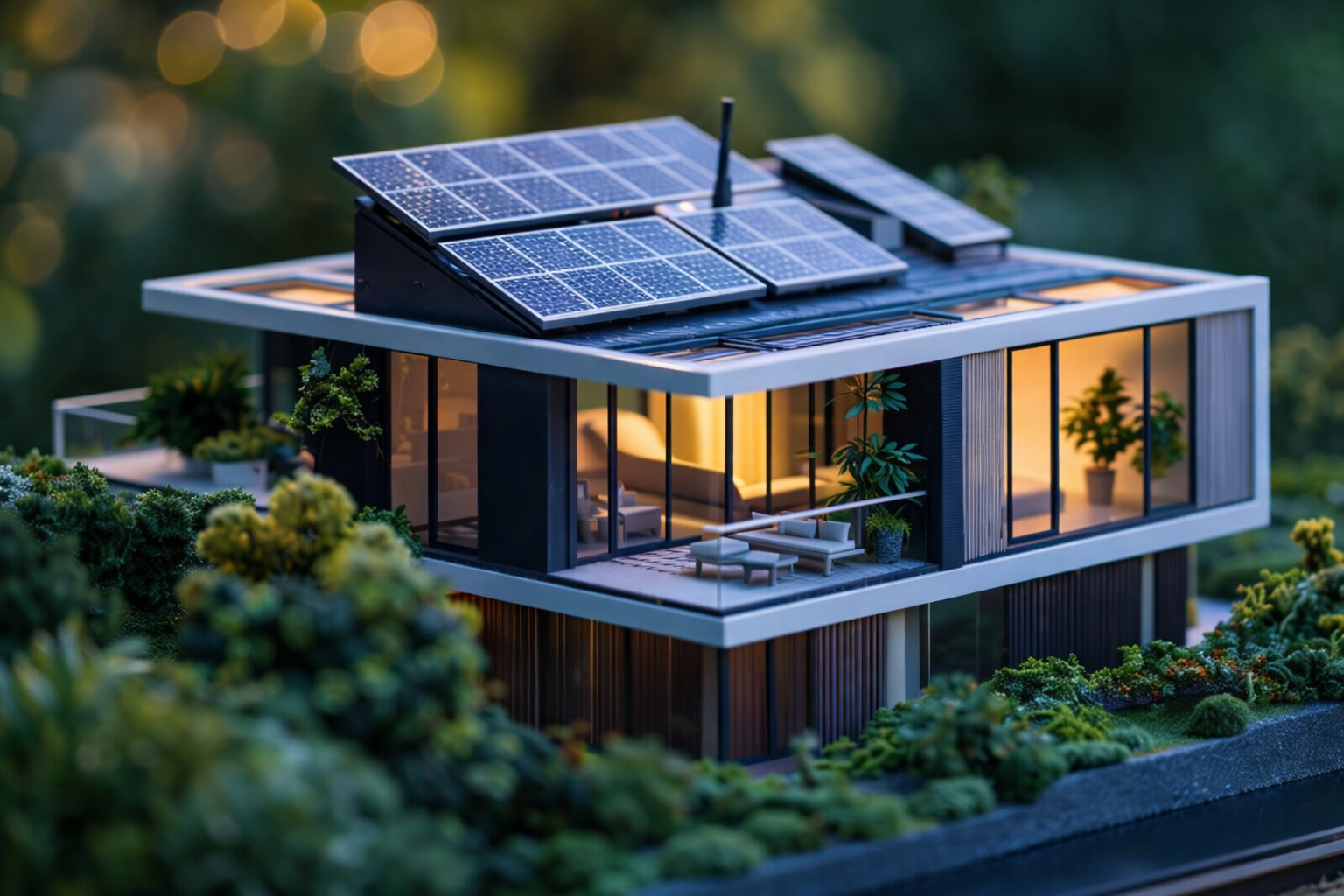
Homeowners living in detached houses benefit significantly more from solar energy systems compared to apartment residents. Owning your roof gives you full control over system size, allowing you to install the capacity you need and dramatically reduce — or even eliminate — your electricity bills.
Across Europe and the United States, rising electricity prices and grid instability have made energy independence a smart financial decision rather than a luxury. With net metering programs, feed-in tariffs (EU), and the U.S. Federal Solar Investment Tax Credit (ITC), residential solar systems typically achieve payback within 5–7 years, while continuing to generate clean electricity for 25+ years.
Solar is no longer just an environmental statement — it is a long-term financial asset.
Installing a solar energy system for your detached home involves several essential steps:
Professional engineers evaluate:
Annual electricity usage
Roof orientation and tilt
Shading conditions
Structural capacity
This ensures maximum production efficiency and optimal ROI.
For EU markets, grid connection approval and compliance with local renewable energy regulations are required.
In the U.S., permitting processes vary by state, and homeowners may qualify for federal and state-level incentives.
Installation typically takes 1–3 days.
After commissioning, systems are supported with remote monitoring and long-term maintenance services.
Luxury villas and high-consumption homes are ideal candidates for solar investment due to:
Large roof surface area
High electricity usage (HVAC, pool heating, EV charging, security systems)
A properly sized solar system can reduce annual electricity expenses by up to 70–80%, depending on usage patterns and local sun exposure.
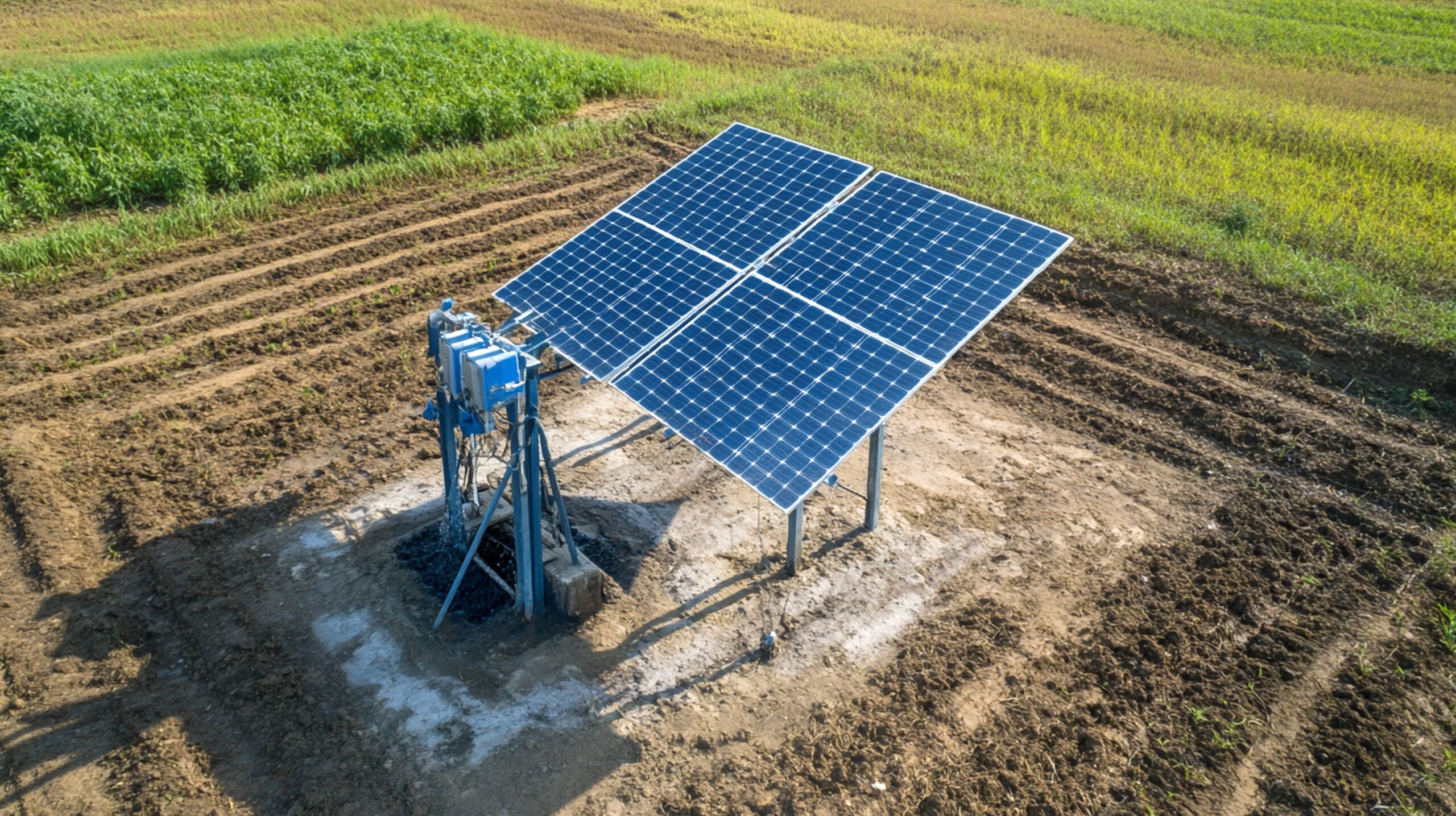
For properties with large land areas, ground-mounted systems can also be considered in addition to rooftop installations.
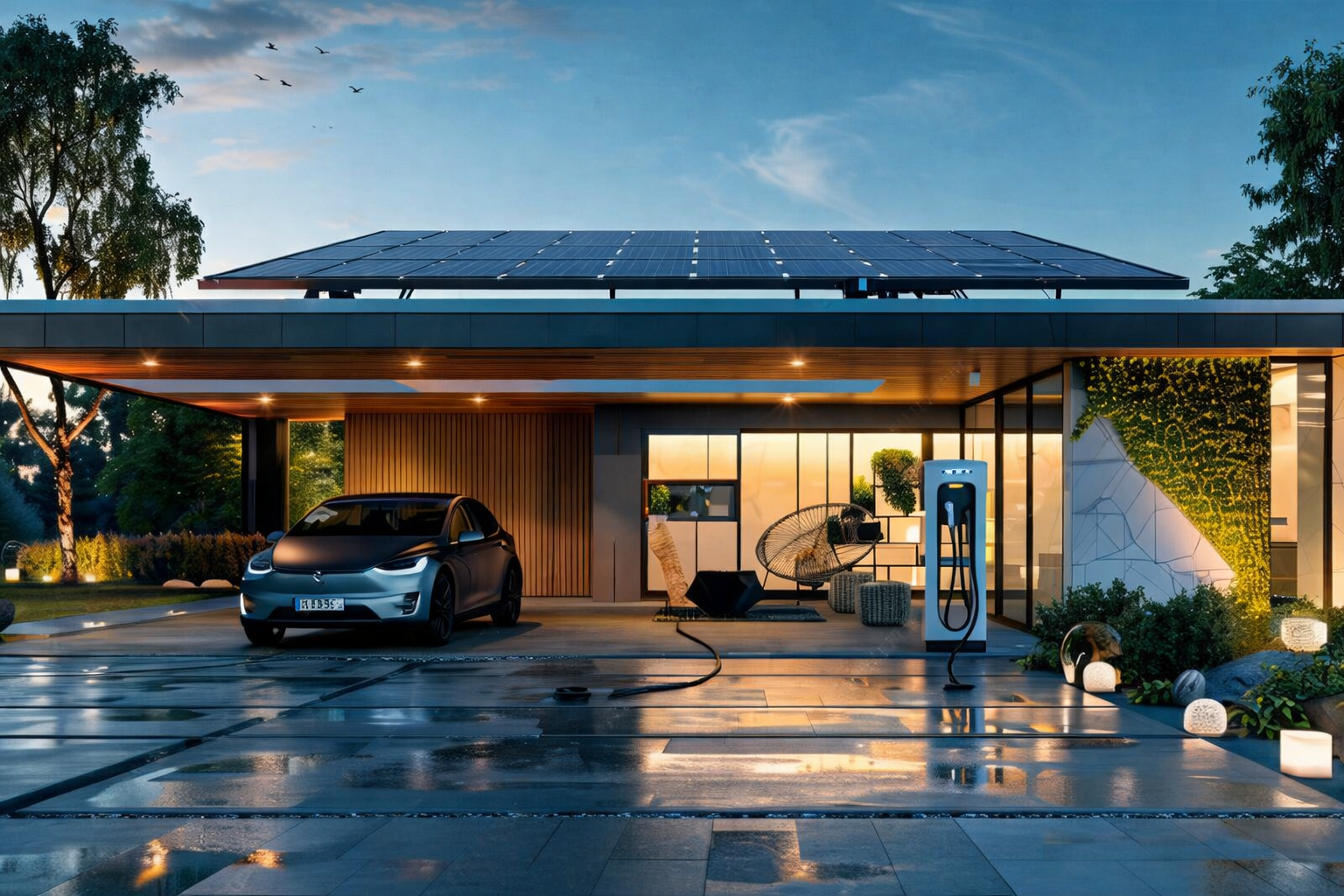
Connected to the public utility grid.
Excess electricity is exported back to the grid under net metering (US) or feed-in tariff schemes (EU).
Best for:
Urban and suburban homes
Maximizing return through energy credits
Fully independent systems designed for remote properties or areas with unreliable grid access.
Integrated with battery storage to provide complete energy autonomy.
Best for:
Rural villas
Remote estates
Off-grid lifestyle projects
Combine grid connection with battery storage.
Store excess daytime production for night use or outages.
Best for:
Energy security
Backup power protection
Maximizing self-consumption
Proper system sizing is critical.
An average villa consumes between 1,000 – 3,000 kWh per month.
This typically requires a system capacity of 10 – 30 kWp, depending on:
Geographic location
Seasonal occupancy
EV charging demand
Pool heating requirements
Advanced simulation software (such as PV performance modeling tools) is used to generate annual production forecasts and feasibility analysis.
Every home is unique. Custom engineering ensures maximum efficiency and financial return.
Instead of paying increasing electricity rates, produce your own power and stabilize your energy costs for decades.
Power your EV directly from your rooftop system.
Reduce fuel expenses and eliminate reliance on fluctuating charging rates.
Homes equipped with solar systems consistently show higher market value and buyer appeal.
Energy-producing homes are the premium real estate standard of the future.
With rising energy prices, grid reliability concerns, and stricter carbon regulations, self-generating homes stay ahead of market shifts.
Energy independence is resilience.
✔ Significant reduction in monthly electricity costs
✔ Low-cost EV charging infrastructure
✔ 5–7 year average return on investment
✔ 25+ years of production lifespan
✔ Energy independence & premium property positioning
This is not just a technical upgrade.
It is a transformation in how your home generates value.
Ideal for mid-sized villas and seasonal homes.
Suitable for high-consumption households and EV owners.
Provide maximum protection against grid outages and peak tariffs.
Today, your home consumes electricity.
Tomorrow, it can produce revenue-generating energy.
The real question is:
Will you continue paying utility bills —
or start generating your own power?
The required number depends on your annual consumption, roof orientation, and local solar irradiation levels.
On average, a detached home may require 10–20 panels (400–450W each). A detailed energy audit provides precise calculations.
Most residential solar installations are completed within 1–3 days, excluding permitting and utility approval timelines.
Yes.
Permitting requirements vary by country (EU) and state (US). Experienced installers handle the entire process, including utility interconnection agreements.
In the United States, homeowners may qualify for the Federal Solar Investment Tax Credit (ITC), along with potential state-level rebates.
In the European Union, various subsidy and feed-in programs apply depending on the country.
Depending on system size, electricity rates, and solar exposure, most systems achieve full return within 5–8 years.
With 25–30 year panel warranties, long-term profitability is substantial.
South-facing roofs (EU/US northern hemisphere) with a 15–40° tilt provide optimal production.
However, modern mounting systems allow efficient installation on tile, metal, or flat concrete roofs.
Absolutely.
Pool heating systems, circulation pumps, and lighting can all be powered by solar.
Compared to natural gas heating, solar-powered pool systems offer significantly lower operating costs.


We conduct a detailed technical analysis of your roof's suitability, calculating shading, orientation, and capacity to plan the most efficient solar power solution.

Our expert engineering team designs your system and completes the installation process safely and quickly with high-efficiency panels and inverters.

We activate your system, conduct performance tests, and provide technical support and maintenance services for years of trouble-free production.